Chemistry, learned by playing
Walk into chemistry already knowing your way around.Then class is just filling in the interesting gaps.
Periodic Mole turns chemistry’s foundation into quick games worth playing: the elements, their symbols, the way the table is laid out, how atoms bond. You build the framework by playing, so when class moves fast, you already know your way around.
Free to play. No signup, no download.
Or get full access: $59 for the year. Every game, all 118 elements. 30-day refund.
- All 118 elements
- Every core topic
- Built to make it stick
- No ads, ever
Bond Forge
Own the most boxes when the grid fills
Click any gray bond to try a move.
would this have helped u when u were in chem
Yes bro
So much
The periodic table quiz
How many of the 118 elements can you name?
A free two-minute quiz, no account needed. Every score feeds The Element Miss List — the running tally of which elements people miss most.
Why it works
A subject gets easier the moment you know its shape.
Walk into a new subject cold and you are doing two hard jobs at once: memorizing a flood of unfamiliar words while trying to understand what they mean. Working memory is small. It overloads, and the whole thing starts to feel like drowning.
Now picture the foundation already automatic: the elements, the symbols, the way the table is laid out, known without having to stop and think. Psychologists draw a line between effortful, deliberate thinking and the fast, automatic kind. Daniel Kahneman made it famous in Thinking, Fast and Slow. The deliberate mind is precious and easily swamped. The automatic mind handles whatever you have practiced into reflex.
When the basics run on automatic, your deliberate mind is free for the part actually worth thinking about. New ideas arrive with somewhere to land instead of piling up as noise. The class stops being a flood to survive and becomes a set of puzzles to solve.
That is the whole idea behind Periodic Mole. Commit the framework first, the outline of what chemistry is about, and you walk in with a map.
You cannot learn what you have nowhere to put. We give chemistry somewhere to land.
How you build it
You build the framework by playing.
Play, not study.
Daily, not crammed.
Mastery, not exposure.
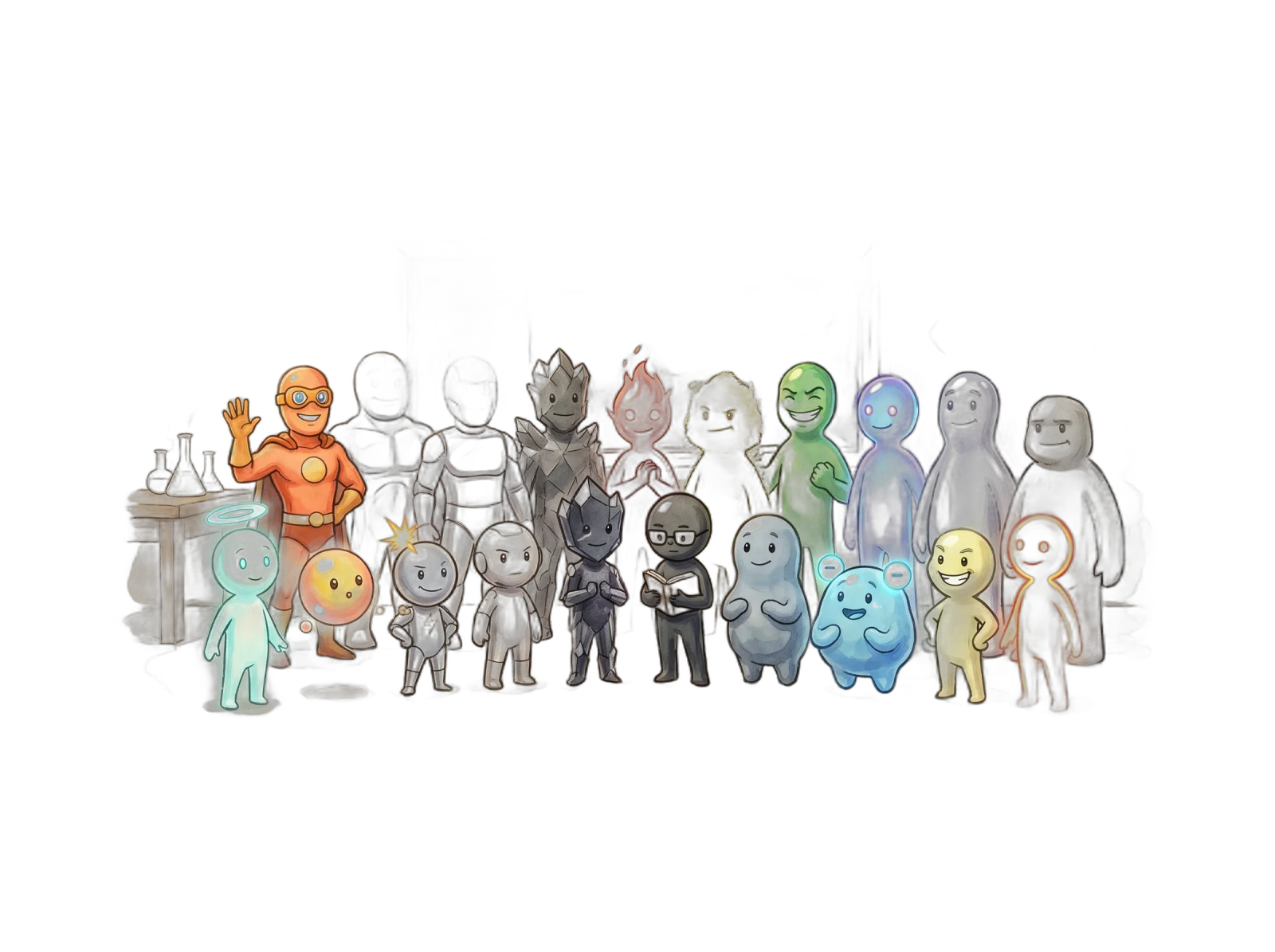
- Bond Forge
- Pt Paddle
- Run the Table
- Acid Boy & Base Girl
- Molecule Hunter
- Capture the Nucleus
- Storm the Castle
- and more in rotation
In their words
What it feels like to play.
“I’m learning all the elements without really trying. I’ve mastered 72, have 20 in my learning queue, and only 26 to go after that.”
“Bond Forge is fun to play against the bot. Molecule Hunter and Capture the Nucleus are too, but more fun to play against a friend.”
The offer
$59.One year. No subscription, no renewal.
The clock starts the day you sign up, and we go quiet after. No auto-renewal, no nagging emails. Prefer two years? $79 covers both, a second year of runway for an AP retake or first-year college gen chem.
Free, no signup
- Bond Forge and Pt Paddle: solo or against a friend, the first 12 elements
- Acid Boy & Base Girl: the first 2 missions
Full access · $59
- Every game
- All 118 elements
- Spaced-repetition review
- Your progress saved as you go
Try it 30 days. If it doesn’t click, we’ll refund it. No questions.
Rather try before you buy? Play Bond Forge and Pt Paddle free, right now. No signup. See if it’s for you before you spend a dollar, and don’t be surprised if you get pulled in too.