Atomic number 15
Phosphorus
Nonmetal
In the real world
Quick facts
- Atomic mass
- 30.974
- Group
- 15
- Period
- 3
- State (STP)
- solid
- Electronegativity
- 2.19
- Common ox. states
- -3, +3, +5
Properties
[Ne] 3s² 3p³
- Ionization energy
- 1011.8 kJ/mol
- Electron affinity
- 72.0 kJ/mol
- Melting point
- 317.30 K (44.2 °C)
- Boiling point
- 553.70 K (280.6 °C)
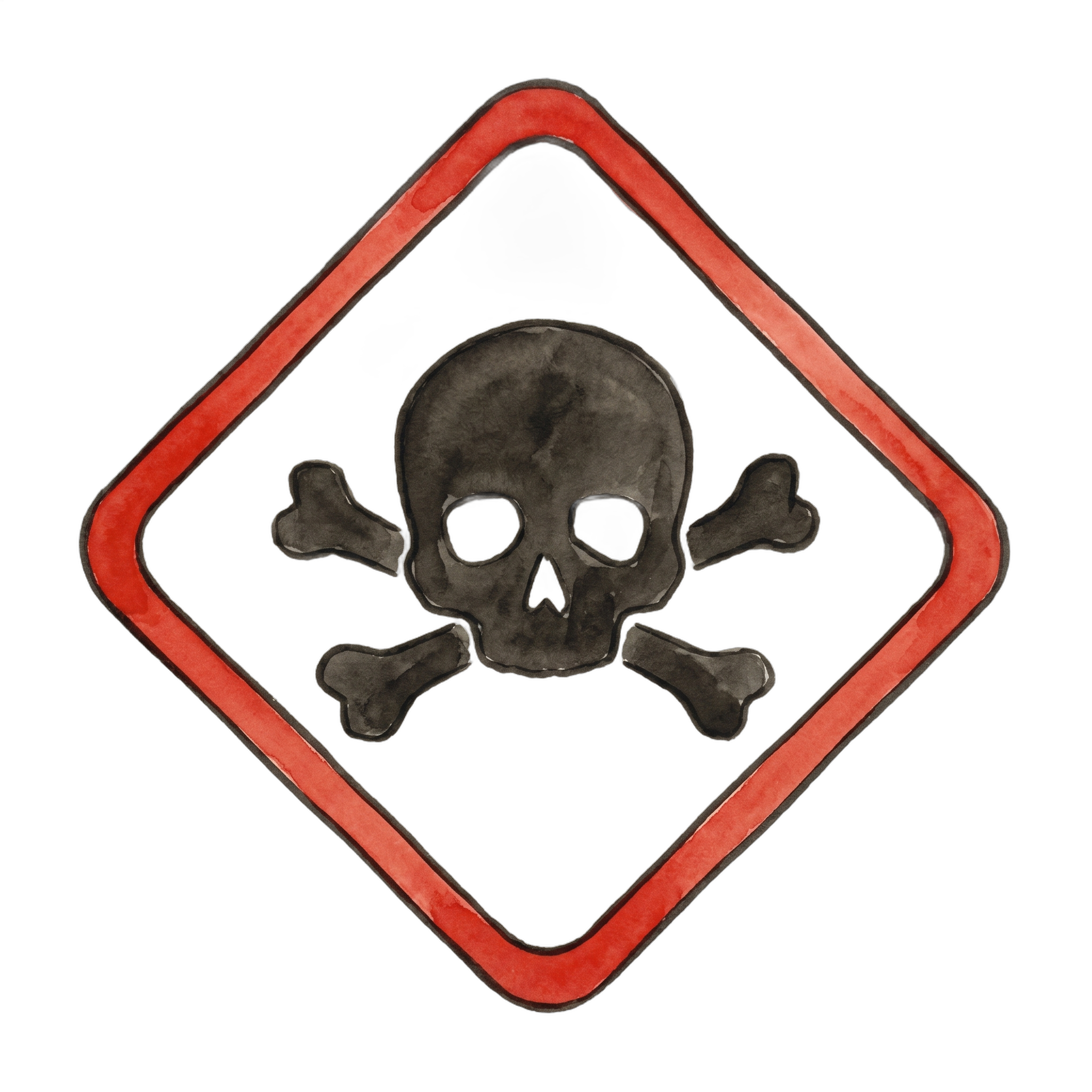
How dangerous is it?
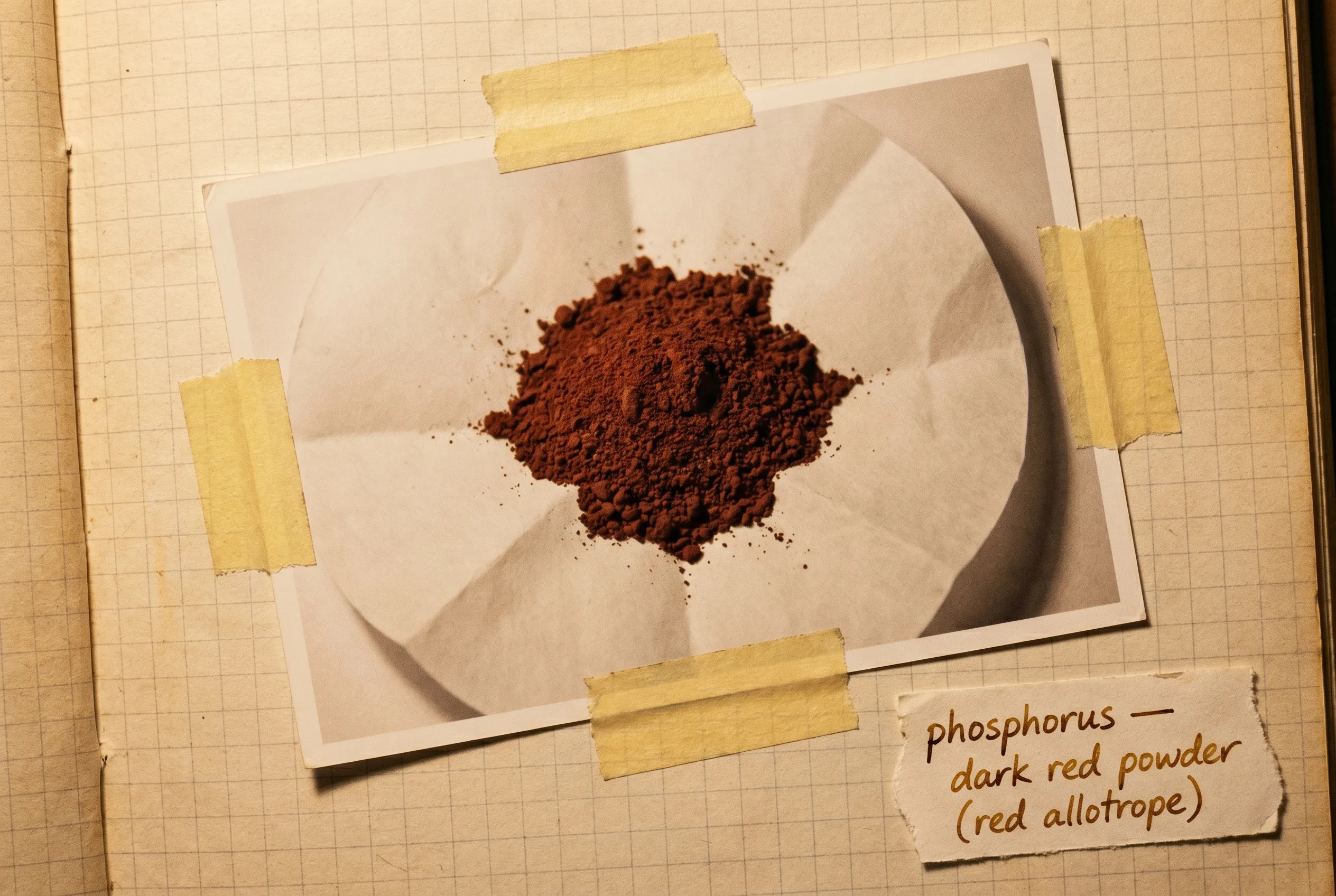
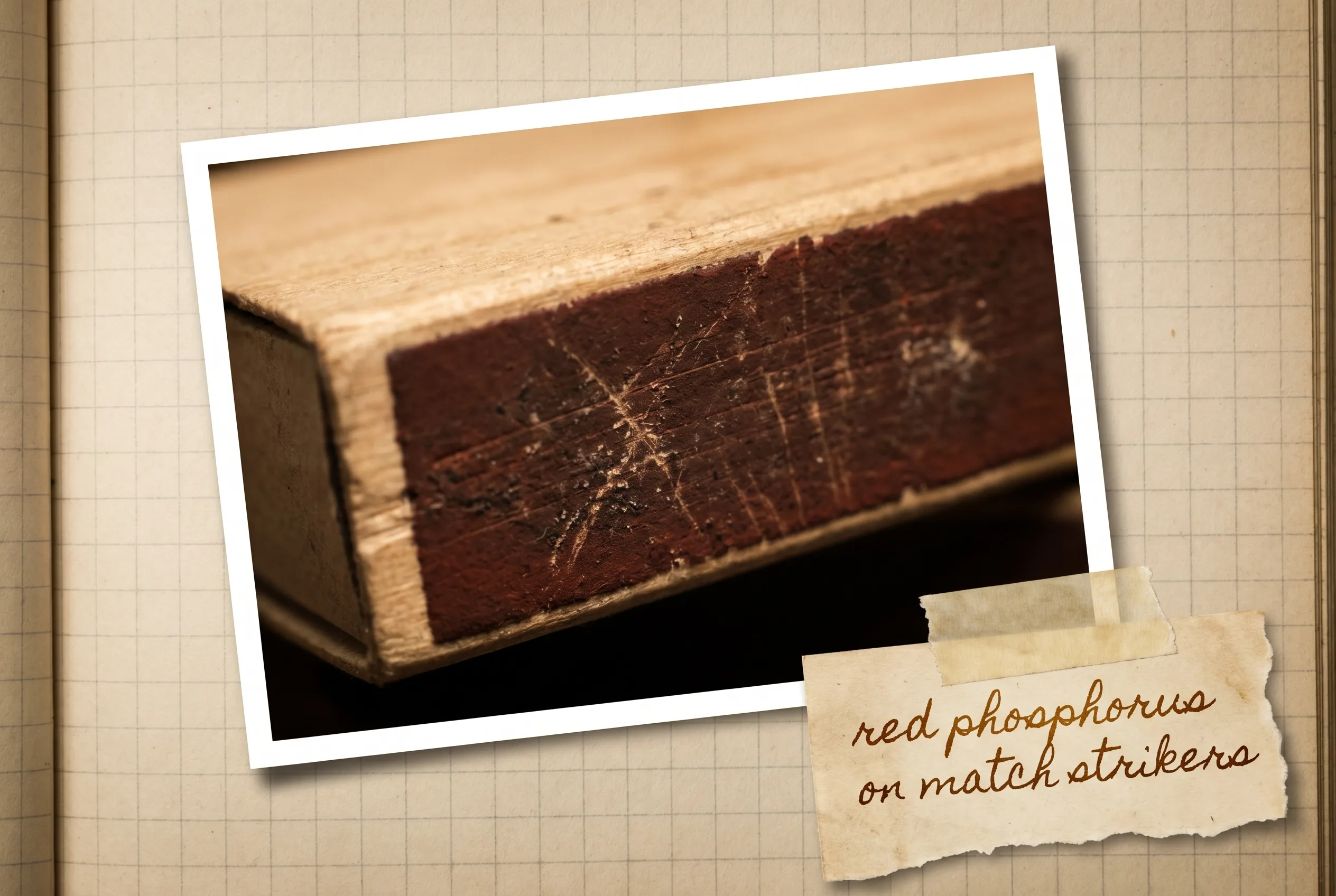
Comes in two faces. Red phosphorus is on every matchbox and is fairly tame; white phosphorus bursts into flame in open air.
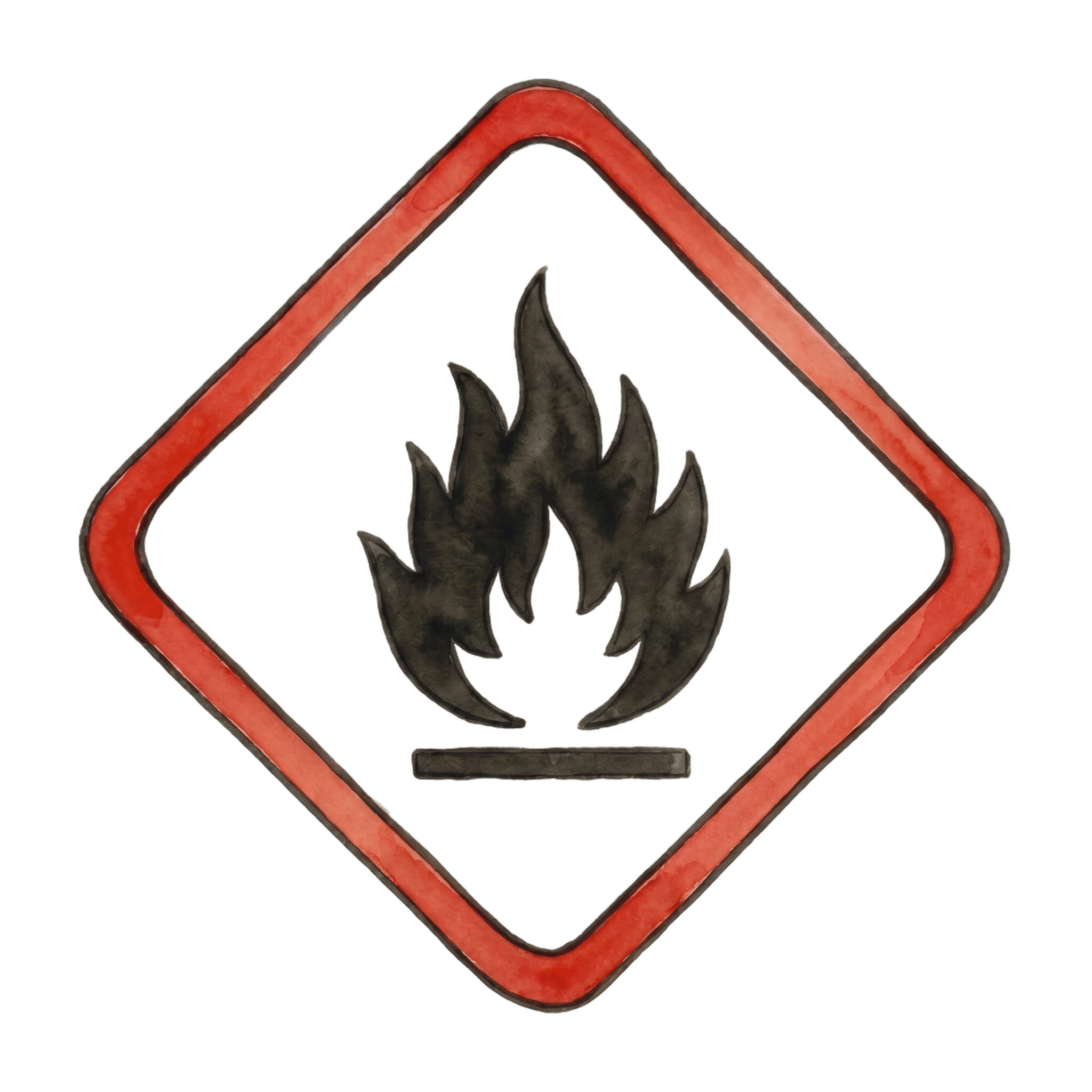
- FlammableImmediate
White phosphorus catches fire on its own in air, near body temperature, and the burns are deep. (the white form; red phosphorus is much safer)
White phosphorus is stored under water, the opposite of the alkali metals.
- ToxicImmediate and cumulative
Swallowing or breathing white phosphorus damages bones and organs. (mainly the white form)
Handled with gloves and ventilation, kept under water and sealed.
How it bonds
Phosphorus mirrors nitrogen at first glance - group 15, 5 valence electrons, 3 bonds + 1 lone pair (PH₃). But phosphorus has accessible 3d orbitals, so it routinely forms 5 bonds in PCl₅ and PF₅ - the classic "expanded octet." This is what makes phosphate (PO₄³⁻) the backbone of DNA and ATP.
Where you meet it
- Build Phosphorus trichloridePCl₃
- Periodic Quest challengeunlock card